Live Basketball Betting UK: In-Play Strategies and Markets
By Live Basketball Betting Editorial Team
 Available in US
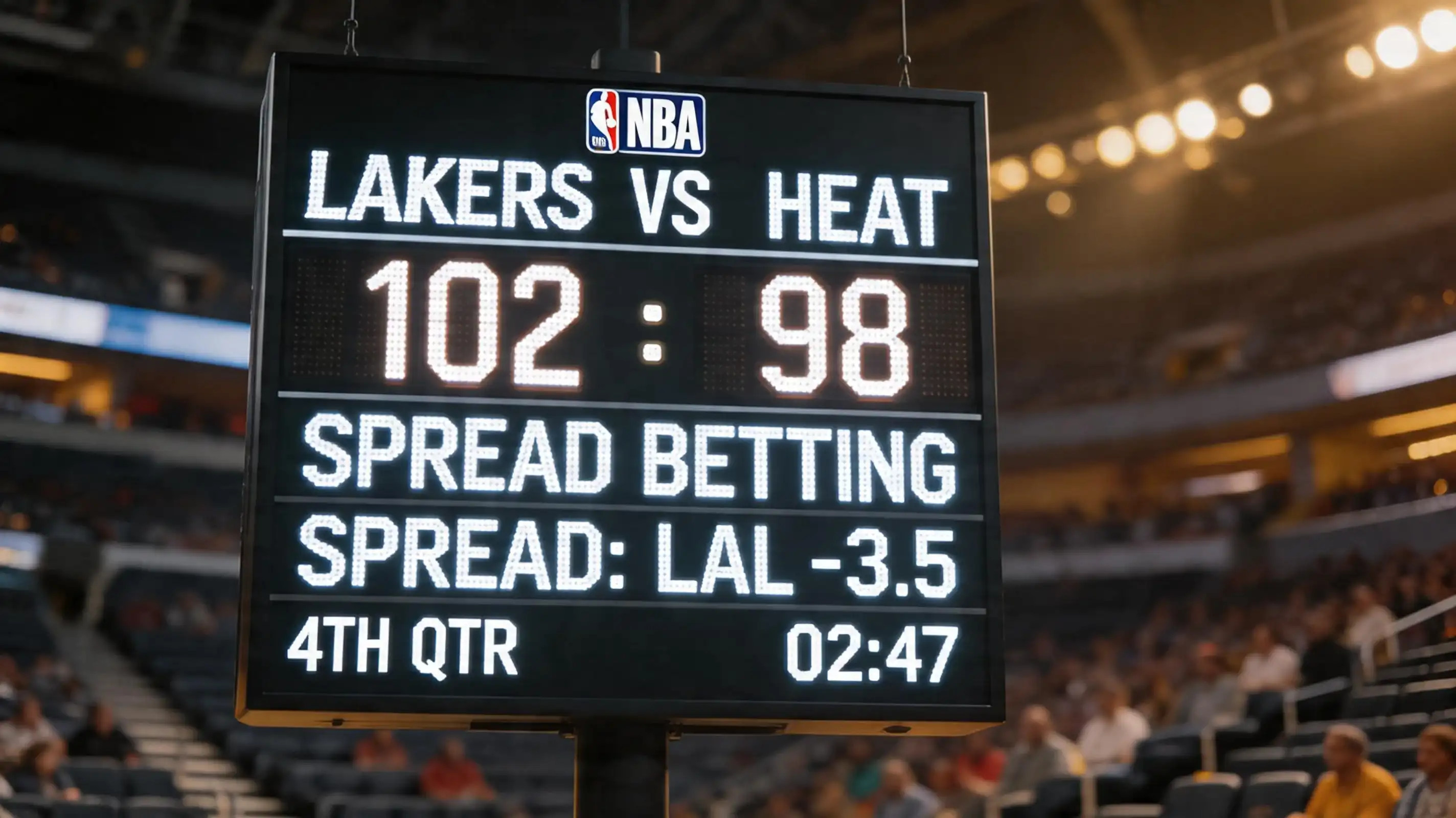
I still remember the exact moment live betting clicked for me. Third quarter of a Lakers game, 2017. They were down fourteen points, the pre-match spread had been Lakers -3.5, and the live line had swung to +8.5. I watched the momentum shift, saw the runs coming, and placed my first proper in-play wager. That single bet taught me more about basketball betting than months of pre-match analysis ever had.
Nine years later, the landscape has transformed beyond recognition. Live betting now accounts for 62.35% of all sports wagering globally, growing at nearly 14% annually. Across the UK, US, Greece, Italy, and Spain, an average of 54% of total stake volume is placed in-play rather than before tip-off. These are not small margins we’re talking about — this is the dominant form of sports betting in 2026.
For UK bettors specifically, basketball presents unique opportunities. The NBA tips off when our working day ends, EuroLeague matches fill the early evening slots, and the BBL offers weekend fixtures with thinner lines and more exploitable inefficiencies. The question isn’t whether to engage with live basketball betting — the market has already decided that question for you. The question is whether you’ll approach it with strategy or stumble through it with gut feelings.
This guide exists because I’ve spent nearly a decade watching UK punters make the same preventable mistakes in basketball in-play markets. They chase momentum without understanding fatigue curves. They hammer player props without grasping correlation mechanics. They bet quarters without knowing that 19% of NBA games are decided in the fourth period alone. What follows is everything I wish someone had told me before that Lakers game in 2017 — the mechanics, the markets, the strategies, and the discipline required to bet basketball intelligently.
Table of Contents
- HoopLines Expert Analysis: 5 Key Basketball Betting Takeaways
- How Live Basketball Betting Actually Works Behind the Screens
- Three Leagues, Three Market Profiles for UK Bettors
- Live Markets Beyond the Basics: What You Can Actually Bet On
- Strategic Foundations: What Separates Profitable Live Bettors
- Regulatory Framework: What UK Law Actually Requires
- The Stakes Beyond the Scoreboard: Betting Responsibly
- Common Questions About UK Live Basketball Betting
HoopLines Expert Analysis: 5 Key Basketball Betting Takeaways
- Live betting dominates modern basketball wagering — 62.35% of global sports betting volume occurs in-play, with odds engines recalculating every 200-500 milliseconds based on score, time, and game events.
- Fourth quarters present structural opportunity because 19% of NBA games are decided then while pace drops and fatigue accumulates — physical decline between Q1 and Q4 shows an effect size of -1.27 in research.
- Three leagues serve UK bettors differently: NBA offers deepest markets at late-night hours, EuroLeague provides early-evening action under FIBA rules, and BBL delivers softer lines with limited depth.
- Strategic edges come from context algorithms process slowly — momentum psychology, fatigue accumulation, tactical adjustments — not from trying to outspeed the odds engine.
- UK regulation requires licensed operators, but live betting carries elevated risk: 16% of online sports bettors meet clinical criteria for gambling disorder, and responsible gambling tools exist because they work.
How Live Basketball Betting Actually Works Behind the Screens
A Turner Sports representative once put it bluntly: “Real-time betting and micro-betting are probably the future of sports betting.” That future arrived years ago. But most bettors treat live markets like they’re simply pre-match odds with a clock running — and that fundamental misunderstanding costs them money.
Live basketball betting operates on an entirely different mechanical foundation than pre-match wagering. The odds you see aren’t static numbers waiting to be accepted. They’re outputs from proprietary algorithms that recalculate probabilities every 200 to 500 milliseconds. That’s two to five times per second. Every made basket, every foul, every substitution triggers immediate recalculation. The line you click might shift before your bet is confirmed.
Understanding this speed matters because it explains why certain opportunities exist and others don’t. Markets suspend during dead ball situations. Free throws create brief windows of stability. Timeouts produce predictable pauses. The bookmaker’s system isn’t just tracking the score — it’s processing player efficiency data, possession counts, foul trouble situations, and historical performance patterns simultaneously.
For UK bettors, this creates both advantages and challenges. The transatlantic data lag means NBA feeds arrive with minimal delay, but you’re still operating behind courtside traders. EuroLeague and BBL games, being closer geographically, offer slightly faster price discovery. The practical implication: you’re not going to scalp millisecond edges against the odds engine. Your edge comes from understanding context that algorithms process slowly — coaching tendencies, fatigue patterns, motivational situations that don’t fit neatly into statistical models.
62.35% — Share of global sports wagering now placed in-play
200-500ms — Odds recalculation frequency during live basketball
54% — Average stake volume placed live across UK, US and major European markets
The Machinery Behind Every Line Movement
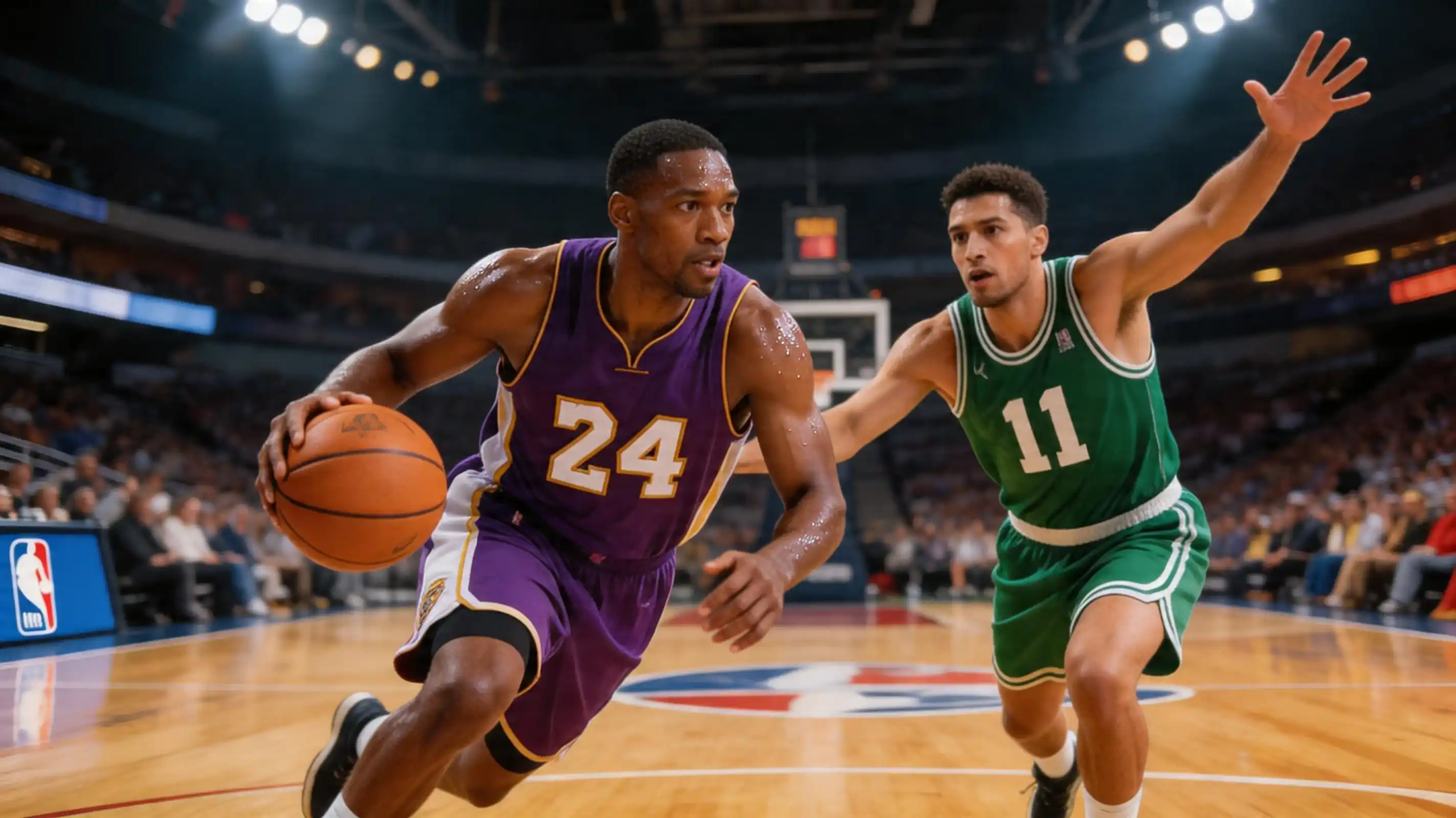
Last season I watched a line move from -6.5 to -2.5 in under ninety seconds. No lead change. No injury. Just a 7-0 run that triggered the algorithm’s momentum detection protocols. Most bettors see that movement and assume they’ve missed the opportunity. They haven’t — they’ve just witnessed the crudest form of line adjustment.
Basketball odds move on three distinct triggers. The first is score-based: made baskets shift win probability mechanically. A three-pointer worth three points also moves the spread roughly half a point per basket in most engines. The second trigger is time-based: as the clock runs down, variance compresses. A six-point lead in the first quarter means something entirely different than a six-point lead with two minutes remaining. The third trigger is event-based: fouls, injuries, ejections, and lineup changes all force manual or semi-automated adjustments.
The odds engines themselves — the technology that processes these triggers — aren’t magical black boxes. They’re sophisticated probability models that weight recent performance more heavily than season averages. They track momentum indicators, though their definitions of momentum tend to be statistical rather than contextual. They know that a team on a 10-0 run is performing well; they don’t necessarily know that the opposing coach just pulled his only competent perimeter defender.
This creates exploitable gaps. Human context — why a run is happening, not just that it’s happening — takes time to price into algorithms. When a star player picks up his fourth foul in the third quarter, the odds engine adjusts for reduced minutes. It doesn’t immediately grasp the cascading tactical implications: defensive scheme changes, offensive spacing alterations, the psychological impact on both teams. That gap between statistical adjustment and contextual reality is where informed live bettors operate.
The practical takeaway for UK punters: don’t chase line movement. Instead, anticipate it. If you see a situation developing — foul trouble, fatigue, tactical mismatch — and the line hasn’t yet moved to reflect it, you’ve found value. If you’re reacting to movement that’s already happened, you’re usually too late.
When the Clock Creates Opportunity
I’ve logged thousands of live basketball bets over the years, and my records show something counterintuitive: my best returns don’t come during dramatic moments. They come during predictable structural windows that most bettors ignore.
The fourth quarter of NBA games deserves particular attention. Research analysing 2,295 games over a decade found that 19% of NBA contests are decided in the final period — meaning the outcome remained uncertain until Q4. But that’s not the insight that matters. What matters is that the pace in these decisive situations drops to 90-100 possessions, down from the 100-110 range common in opening quarters. Physical decline between the first and fourth quarters shows an effect size of -1.27 in sports science research. Players are measurably slower, less accurate, more prone to mistakes.
This creates timing opportunities. Fourth quarter scoring tends to compress. Teams play more deliberately. Defenses tighten because tired legs favour conservative positioning. Totals set based on opening quarter pace often overestimate fourth quarter production. The window opens roughly two minutes into Q4, after initial rotations settle, and runs until the final two minutes when fouling strategies distort scoring patterns.
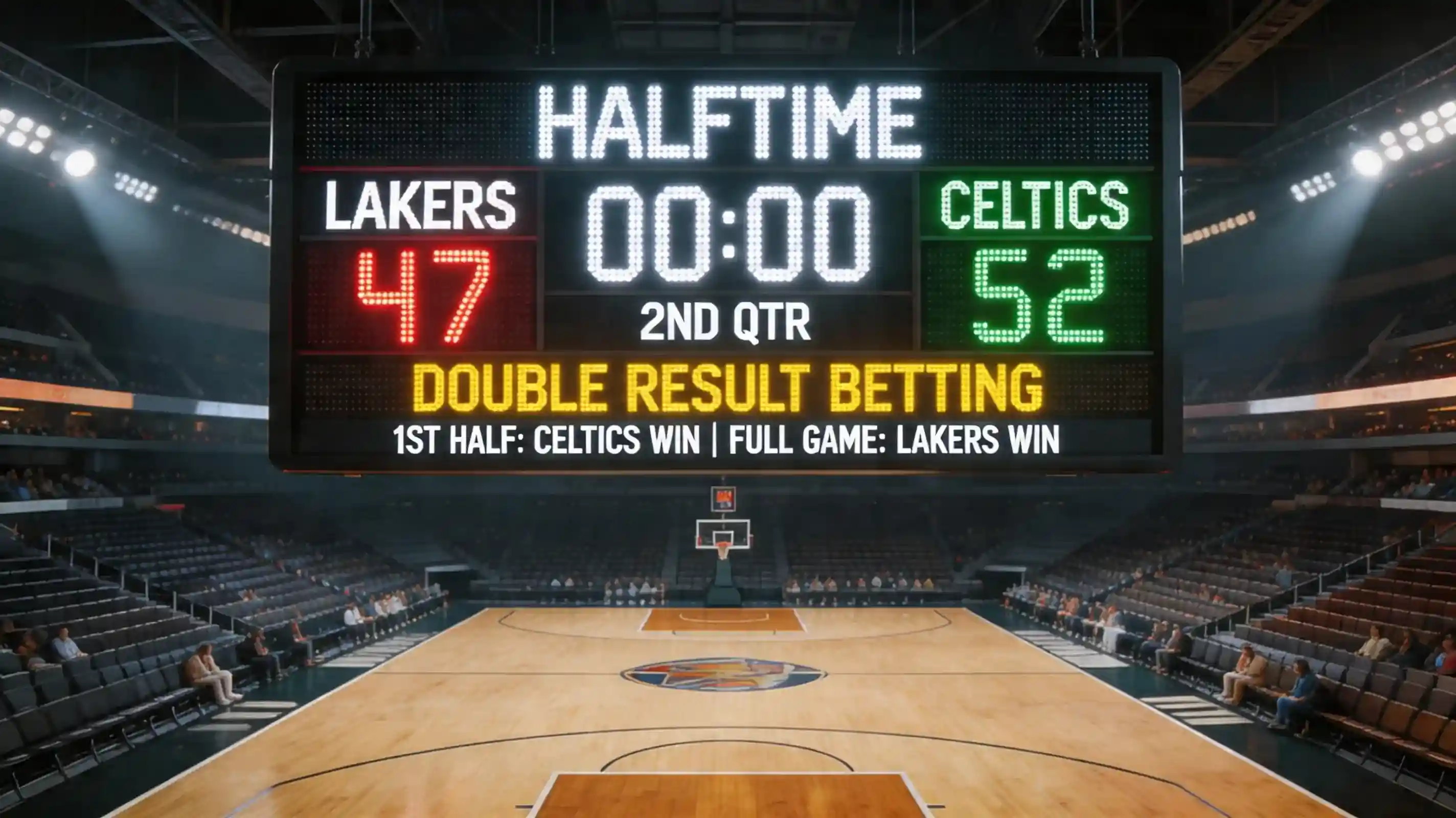
Quarter breaks themselves offer structural advantages. During halftime, odds engines recalibrate using first-half data, which means you’re betting into lines that weight recent performance heavily. If you’ve identified a first-half anomaly — a team shooting unusually well or poorly from three, for instance — the halftime adjustment often overcorrects. A team that shot 48% from three in the first half won’t maintain that rate; their true-talent level and the mean regression haven’t been fully priced.
Timeout betting presents narrower but repeatable windows. When a coach calls timeout after an opposing run, the market suspends briefly. Upon resumption, lines reflect the recent scoring burst. But timeouts statistically reduce the effectiveness of the team that was running hot — the pause breaks rhythm, allows defensive adjustment, and resets intensity. Betting against continuation immediately post-timeout shows consistent edge over large sample sizes.
For deeper tactical analysis of these patterns, the NBA live betting strategy guide breaks down momentum and fatigue dynamics in exhaustive detail.
With the mechanics and timing established, the next question becomes practical: which leagues actually offer these opportunities to UK bettors, and how do their markets differ?
Three Leagues, Three Market Profiles for UK Bettors
When people ask me which basketball league offers the best live betting value, I always answer with a question: what time do you actually want to be placing bets? Your geographical position in the UK creates natural windows. NBA games typically tip off between 23:00 and 03:00 GMT. EuroLeague fixtures run from 18:00 to 21:00. BBL matches cluster on weekend afternoons and evenings. Each league presents distinct market characteristics that UK bettors need to understand.
The NBA commands the deepest liquidity and the tightest margins. It’s the world’s most analysed basketball competition — odds engines have decades of data, sophisticated player tracking systems, and armies of sharp bettors keeping lines honest. Finding edge requires either granular situational knowledge or quick recognition of in-game developments. The 25-44 age demographic accounts for 65% of legal NBA wagers, which tells you something about the bettor profile you’re competing against: younger, digitally native, statistically literate.
EuroLeague offers an intriguing middle ground. The competition features top-tier talent, consistent scheduling, and reasonable market depth at major operators. But European basketball operates under FIBA rules — shorter shot clock, different court dimensions, no defensive three-second violations — which affects scoring patterns and pace in ways that NBA-focused bettors often misunderstand. This knowledge gap creates opportunity.
The BBL, now operating under the Super League Basketball rebrand, presents the thinnest markets but arguably the most inefficiency. Domestic British basketball attracts less analytical attention, meaning lines are softer and odds engines have less historical data to calibrate against. The trade-off is reduced liquidity and narrower market variety.
NBA
Deepest markets, tightest lines, late-night UK schedule
EuroLeague
Early evening fixtures, FIBA rules, moderate depth
BBL
Weekend-focused, softer lines, limited liquidity
NBA: The Main Event for UK Basketball Bettors
The NBA represents an estimated $12.94 billion market in 2025, projected to grow to over $20 billion by 2031. That scale shapes everything about how UK bettors should approach it. Adam Silver, the NBA Commissioner, recognised this integration early, noting that partnerships with data providers like Sportradar and Genius Sports would “deliver unparalleled, real-time official NBA betting data” to operators. Translation: the infrastructure supporting NBA live betting is the most sophisticated in basketball.
Basketball is the fastest-growing betting segment in the American market, driven partly by game frequency — 82 regular season contests per team plus playoffs — and partly by the granularity of in-play offerings. UK operators mirror this depth. You’ll find standard markets across the board: full-game and quarter spreads, totals at team and game level, moneylines with live adjustment, and player props that update in real-time.
The timing challenge for UK bettors deserves frank acknowledgment. Most NBA action falls between midnight and 4 AM. If you’re serious about NBA live betting, you’re committing to late nights. The Atlantic division games tip earliest; Pacific division matchups run latest. Weekend schedules offer slightly earlier starts. But there’s no avoiding the fundamental reality: profitable NBA live betting from the UK requires either schedule flexibility or strategic selectivity in which games you target.

EuroLeague: Early Evening Action Under Different Rules
EuroLeague basketball tips off when UK bettors are actually awake, which alone makes it worth understanding. Games typically start between 18:00 and 21:00 CET — convenient timing for anyone who doesn’t want to structure their sleep around American broadcast schedules.
The product itself is genuinely high-quality. EuroLeague features clubs with NBA-calibre talent and coaching: Barcelona, Real Madrid, Olympiacos, Fenerbahçe. The competition structure — regular season followed by playoffs culminating in the Final Four — creates consistent fixture volume and stakes that matter throughout the season.
What trips up UK bettors transitioning from NBA is the ruleset. FIBA’s 24-second shot clock (versus NBA’s 24) sounds identical but plays differently with the longer three-point line and absence of defensive three-second rules. European basketball produces lower-scoring games with different rhythm patterns. Pace tends to be slower, possessions more deliberate, and late-game situations more compressed. Quarter totals and game totals need recalibration from NBA expectations.
Market depth at UK bookmakers varies considerably. The major operators — those licensed by the Gambling Commission — typically offer spreads, totals, and moneylines for EuroLeague fixtures. Player prop availability is less consistent than NBA coverage. Live betting markets exist but suspend more frequently and adjust more conservatively than their NBA equivalents. For detailed guidance, the EuroLeague betting guide covers rule differences and strategic implications.
BBL: Domestic Opportunity in a Developing Market
British basketball operates in a peculiar space. The BBL — now rebranded as Super League Basketball — features twelve teams playing a full domestic schedule. The talent level sits well below NBA or EuroLeague, obviously, but the league has grown steadily. For bettors, this development stage is precisely what creates opportunity.
Odds engines calibrate against historical performance data. With less data available and less sharp money focused on the BBL, lines are softer. The same contextual advantages that exist in NBA betting — knowing when fatigue matters, understanding coaching tendencies, recognising momentum patterns — apply with less competition. The bettor who does their homework on Newcastle Eagles or London Lions is competing against fewer informed opponents than the bettor analysing Celtics-Lakers.
The trade-offs are real. Market depth is limited; you won’t find the prop variety or alternative lines available for NBA games. Liquidity constraints mean larger stakes can move lines or face partial acceptance. Live betting coverage exists but isn’t universal — not every fixture gets in-play markets, and those that do may have restricted offerings.
Weekend scheduling makes the BBL accessible. Games cluster on Saturday and Sunday afternoons and evenings, fitting naturally around the working week. For UK bettors wanting to develop live betting skills without staying up until 3 AM, domestic basketball provides a practical training ground. The BBL betting guide explores team analysis, market availability, and value opportunities in British basketball.
Live Markets Beyond the Basics: What You Can Actually Bet On
The first live basketball bet I ever placed was a simple halftime moneyline. Unsophisticated, reactive, and — as I learned — representative of how most bettors approach in-play markets. They stick to what they know from pre-match betting without exploring the architecture of opportunities that live markets uniquely provide.
Live basketball betting extends far beyond adjusted versions of pre-match offerings. Yes, you can bet spreads and totals with lines that shift continuously. But the real texture of in-play markets comes from period-specific wagers, player performance propositions updated in real-time, and combinatorial products that let you construct custom positions across multiple outcomes.
Understanding what’s available matters because different market types suit different informational advantages. If you’ve identified a fatigue pattern that will affect fourth-quarter scoring, quarter totals are your vehicle. If you’ve noticed a defensive rotation change that will benefit a specific player, live player props become relevant. If you believe two related outcomes will both occur, same-game parlays let you express that conviction with amplified returns.
| Market Category | What It Covers | Best Suited For |
|---|---|---|
| Full-game spreads/totals | Adjusted pre-match lines running live | Game-level momentum reads |
| Quarter/half markets | Period-specific spreads and totals | Fatigue and pace pattern exploitation |
| Live player props | Updated performance targets | Minutes and matchup analysis |
| Same-game parlays | Combined outcomes within a single game | Correlated conviction bets |
| Micro-markets | Next possession, next score outcomes | Short-term tactical reads |
Quarter and Half Markets: Period Betting with Purpose
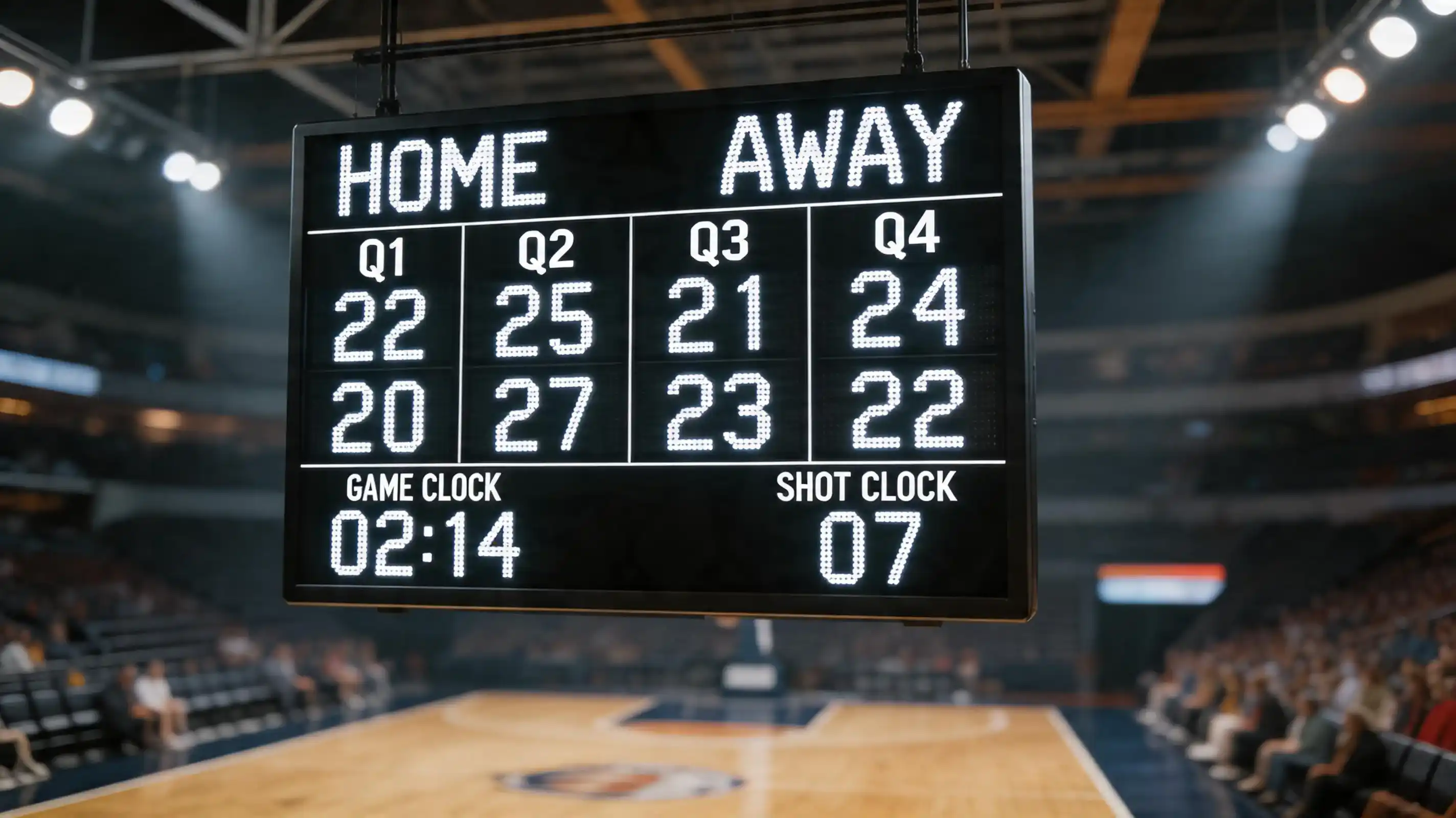
If I had to point a new live bettor to a single market category, it would be quarter betting. These markets offer the clearest structural edges because they isolate specific game segments where context matters enormously and algorithms adjust imperfectly.
Quarter totals are the flagship product here. The Q4 decisiveness data I mentioned earlier — where pace drops to 90-100 possessions while physical performance declines significantly — translates directly into betting opportunity. Fourth-quarter totals set based on earlier game pace tend to overshoot. The under on Q4 totals holds value structurally, not because you’re smarter than the odds engine, but because you’re exploiting a systematic tendency in how pace translates into scoring as fatigue accumulates.
First-quarter markets work differently. Opening periods feature fresh legs, set plays, and statistical noise. Teams still discovering the rhythm of a particular matchup produce volatile scoring. First-quarter results correlate less strongly with full-game outcomes than later periods, which means the information content of Q1 performance gets overweighted in naive adjustment models.
Half betting sits between quarter and full-game markets in granularity and usefulness. Second-half lines after halftime incorporate first-half data, which creates the overcorrection opportunities mentioned earlier. A team that struggled offensively in the first half but generated quality shots that simply didn’t fall often sees an inflated second-half spread against them. The quarter betting analysis breaks down period-by-period patterns with sample-based evidence.
Player Props in Live Betting: Individual Performance Markets
Player props have exploded in popularity over the past five years, and their live betting variants present unique considerations. An NCAA official interviewed about prop betting noted the integrity concern bluntly: individual performance markets are “a lot easier for match fixing” because “you could just have one individual that could manipulate those markets.” That concern exists, but for honest bettors, it also signals something important — these markets attract less sophisticated modelling attention than team-level outcomes.
Live player props update throughout the game based on accumulated statistics. A player with 8 points midway through the second quarter will see their points total line adjusted downward from pre-game levels. The key insight is that this adjustment often moves linearly when performance varies non-linearly. Hot shooting players get pulled for rest in blowouts. Players in foul trouble see reduced minutes. Defensive adjustments target leading scorers specifically.
The most reliable live prop edges come from minutes projection. If you recognise a coach’s rotation patterns — when they pull starters, how they manage foul trouble, whether they play deep bench in certain score differentials — you can identify props that are mispriced based on assumed minutes distributions. A player’s points prop depends heavily on whether they’ll play 32 minutes or 26 minutes; live lines don’t always price this distinction efficiently.
PRA combinations — points plus rebounds plus assists bundled together — reduce variance compared to single-category props. But they also reduce edge because the correlation between categories partially hedges outcomes. For strategic depth, the player props betting guide covers correlation mechanics and category-specific analysis.
Same-Game Parlays: Correlation and Combination Strategies
Same-game parlays represent the intersection of sophisticated product design and recreational appeal. User testing data shows that 92% of new customers at major operators create their first SGP within three minutes — the interfaces are designed for accessibility. But behind that accessibility lies real strategic complexity.
An SGP combines multiple outcomes from a single game into one bet. The key difference from traditional parlays is that SGP odds incorporate correlation adjustments. If you parlay a team winning with their star player scoring over 25 points, those outcomes aren’t independent — teams are more likely to win when their best player performs well. The SGP price reflects this correlation, offering lower combined odds than a naive multiplication of individual lines would suggest.
The strategic question becomes: do the correlation adjustments accurately price the relationships between outcomes? Industry analysis suggests that platforms offering 2-3% better pricing on SGPs with three or more legs exist, which means correlation modelling varies across operators. These percentage differences compound across legs, making platform selection non-trivial for regular SGP bettors.
In live SGP contexts, the complexity multiplies. Each leg’s odds update independently based on game state, but correlation assumptions may lag behind actual game developments. If a key player picks up early foul trouble, both his individual props and team outcome probability shift — but does the SGP engine correctly adjust the correlation coefficient between them in real-time? These are the gaps where informed bettors find edge.
My practical guidance: SGPs work best when you’ve identified positive correlations that the model underweights or negative correlations that create hedging value. Stacking three positively-correlated outcomes at minimally-adjusted prices compounds edge; doing the same with properly-priced correlations just compounds variance.
Strategic Foundations: What Separates Profitable Live Bettors
Here’s an uncomfortable truth I’ve learned across nine years of covering basketball betting: the median live bettor loses faster than the median pre-match bettor. Not because live betting is inherently worse — the structure actually offers more opportunities — but because speed and emotion compound poor decision-making. The bettors who win approach live markets with systems, not impulses.
The spending differential tells the story starkly. Live bettors in major markets spend an average of $1,583.90 per month compared to $846.20 for pre-match bettors. That’s nearly double the engagement. On major American sportsbooks, live betting accounts for roughly 55% of total volume. The market draws action because it’s engaging, reactive, and feels like skill-based gambling. But engagement without discipline bleeds bankrolls.
Strategic live betting requires understanding what advantages actually exist and which perceived edges are illusions. You’re not going to out-react an algorithm processing data every 200-500 milliseconds. You’re not going to catch line errors before they’re corrected. What you can do is recognise contextual patterns that take longer to price — momentum psychology, fatigue accumulation, tactical adjustments, and motivational situations. These are the edges that compound over time.
The frameworks below — momentum analysis and fatigue accounting — represent the two most reliable strategic pillars I’ve identified across thousands of logged bets. They’re not proprietary secrets; they’re applications of sports science to betting contexts. But most bettors either don’t know them or don’t apply them systematically, which is precisely why they remain profitable.

Reading Momentum: When Psychology Creates Betting Value
Momentum in basketball isn’t mystical — it’s measurable, though not in the way odds engines typically model it. A 10-0 run changes score and moves lines. But momentum also changes psychology, defensive intensity, shot selection, and coaching behaviour. These secondary effects create the exploitable gaps.
Research analysing over 2,000 NBA games confirms that close home games — decided by single-digit margins — favour the home team more than 50% of the time. Home court advantage compounds when games tighten because crowd energy, familiar surroundings, and officiating tendencies all amplify as stakes increase. This pattern intensifies in fourth quarters of competitive games, where psychological pressure weighs more heavily than early-game statistical performance.
Practical momentum reads require watching games, not just tracking scores. Is the team on a run generating quality shots or benefiting from unsustainable variance? Are the defensive rotations tightening or is the trailing team collapsing? Has the coach called timeout to stem momentum, and if so, how does the resumption typically play out?
Timeouts specifically interrupt momentum more often than they preserve it. The team on a run loses rhythm; the trailing team resets emotionally and tactically. Betting against momentum continuation immediately following timeouts shows statistical edge across large samples. The odds engine sees the run and adjusts; it doesn’t always see the break in rhythm the timeout causes.
Shot quality indicators matter enormously. A team scoring on contested jumpers is likely regressing. A team scoring on open looks generated by scheme execution is likely continuing. The scoreboard treats these identically, but they predict forward performance differently. If your momentum read incorporates shot quality — not just shot results — you’re operating on information the algorithm processes more slowly.
Fatigue as an Edge: When Bodies Limit Performance
Fatigue is the most underpriced factor in live basketball betting. Odds engines incorporate schedule density and rest days, but they underweight in-game fatigue accumulation because it’s harder to measure and model. Your eyes, watching the game, can see what the algorithm can’t easily quantify.
The physical decline between first and fourth quarters is substantial. Players run slower, jump lower, and shoot with less accuracy. Defensive contests come a half-step late. Ball handling becomes marginally sloppier. These differences are small individually but compound across possessions.
Back-to-back games represent the most obvious fatigue signal. NBA teams play an average of 14.9 back-to-back games per season — roughly one every 5.5 regular season games. Teams on the second night of back-to-backs show measurable performance decline, particularly on the road. Odds engines adjust for this, but the adjustment often falls short of the actual impact, especially when travel distance compounds rest deprivation.
In-game fatigue patterns require rotation awareness. When does the coach pull starters? How does he manage minutes in blowouts versus close games? Which players have conditioning issues or injury concerns affecting their stamina? A starter playing 12 consecutive minutes in a high-intensity game will perform differently than one receiving regular rest. Late-quarter scoring efficiency tends to favour teams with fresher legs, regardless of which team leads.
The actionable insight: fourth-quarter unders hold structural value, and team totals for fatigued squads tend to overshoot. When you combine schedule fatigue with in-game minute loads, the effect compounds. A team on a back-to-back, playing starters heavy minutes because the score is close, will see measurable fourth-quarter decline that live lines often fail to fully price.
Strategy without structure is just gambling with extra steps. Before diving into markets, it’s worth understanding the regulatory framework that governs UK basketball betting — and the protections that come with it.
Regulatory Framework: What UK Law Actually Requires
I field questions about legality more than almost any other topic. The short answer is straightforward: live basketball betting is completely legal in the UK when conducted through operators licensed by the Gambling Commission. The longer answer involves understanding what that regulatory structure provides and what it demands.
The UK gambling industry generated £16.8 billion in gross gambling yield between April 2024 and March 2025, growing 7.3% year-over-year. The remote betting sector — encompassing online sportsbooks where most basketball betting occurs — reached £7.8 billion, with growth of 13.1%. These numbers reflect a mature, heavily regulated market with substantial consumer participation and robust oversight.
Andrew Rhodes, CEO of the UK Gambling Commission, has described their data-gathering efforts as “a key building block of the evidence base which helps government, industry and other partners understand both gambling behaviour and potential consequences from gambling.” That bureaucratic language translates to active monitoring: operators must report suspicious activity, maintain responsible gambling protocols, and face penalties for compliance failures.
Licensing Verification
Before placing live bets, verify your operator holds a current UK Gambling Commission licence. Check the public register directly through the Commission’s website. Unlicensed operators offer no consumer protection, and using them may constitute illegal gambling.
What licensing practically means for bettors: your deposits are protected under regulatory requirements, dispute resolution mechanisms exist, and responsible gambling tools must be provided. Operators must verify age and identity before allowing betting, enforce deposit limits when customers set them, and provide self-exclusion options.
The Gambling Commission maintains roughly 5,825 licensed betting premises across the UK, though that number has declined 1.8% year-over-year as the market shifts increasingly online. For basketball betting specifically, the practical reality is that you’ll be operating through remote platforms rather than retail shops — very few physical bookmakers offer meaningful basketball coverage, and live betting is inherently a digital product.
The regulatory environment continues evolving. Affordability checks, enhanced due diligence for higher-stakes bettors, and advertising restrictions have all intensified in recent years. These measures aim to balance consumer protection with market access. For most recreational bettors, the practical impact is minimal — licensed operators simply must demonstrate that their betting activity reflects affordability.
The Stakes Beyond the Scoreboard: Betting Responsibly
Nine years covering basketball betting means nine years watching people get it wrong in ways that hurt them. I’m not talking about losing bets — losses are part of the activity. I’m talking about losing control. The engagement features that make live betting compelling — the constant action, the immediate feedback, the illusion of skill — also make it particularly risky for bettors predisposed to problematic patterns.
The UK statistics demand acknowledgment. Approximately 2.7% of British adults qualify as problem gamblers under clinical screening criteria, representing roughly 1.4 million people. A further 2.8% are classified as at-risk. Among online sports bettors specifically, the rates are dramatically higher: 16% meet clinical criteria for gambling disorder, with an additional 13% showing problematic indicators. These aren’t rare edge cases; they represent a substantial portion of the betting population.
The NHS has recorded a doubling in gambling addiction treatment referrals — 1,914 cases in the most recent six-month reporting period compared to 836 in the same period the previous year. Public Health England estimates 400 gambling-related suicides annually in England alone. These numbers represent real people, real families, real consequences that extend far beyond bankroll management discussions.
Problem gambling is treatable. If betting has stopped being entertainment and started causing harm — financial, relational, or psychological — support services exist. GamCare offers free confidential advice. The National Gambling Helpline provides 24/7 support. BeGambleAware maintains comprehensive resources for affected individuals and families. These services exist because recovery is possible.

Problem gamblers demonstrate characteristic behavioural patterns. Research shows they bet four times more frequently than recreational bettors — a median of 48 bets annually versus 12 — and spend twice as much per session, roughly £20 compared to £10. Chasing losses, betting beyond intended limits, borrowing to fund betting activity, and experiencing mood disturbances tied to gambling outcomes all represent warning signs.
Live betting specifically presents elevated risk factors. The speed of action reduces reflection time. The illusion of skill — “I can read this game, I can see what’s happening” — encourages overconfidence. The continuous availability, with basketball games running across time zones, enables marathon betting sessions. The emotional engagement of watching a game you’ve wagered on intensifies both wins and losses psychologically.
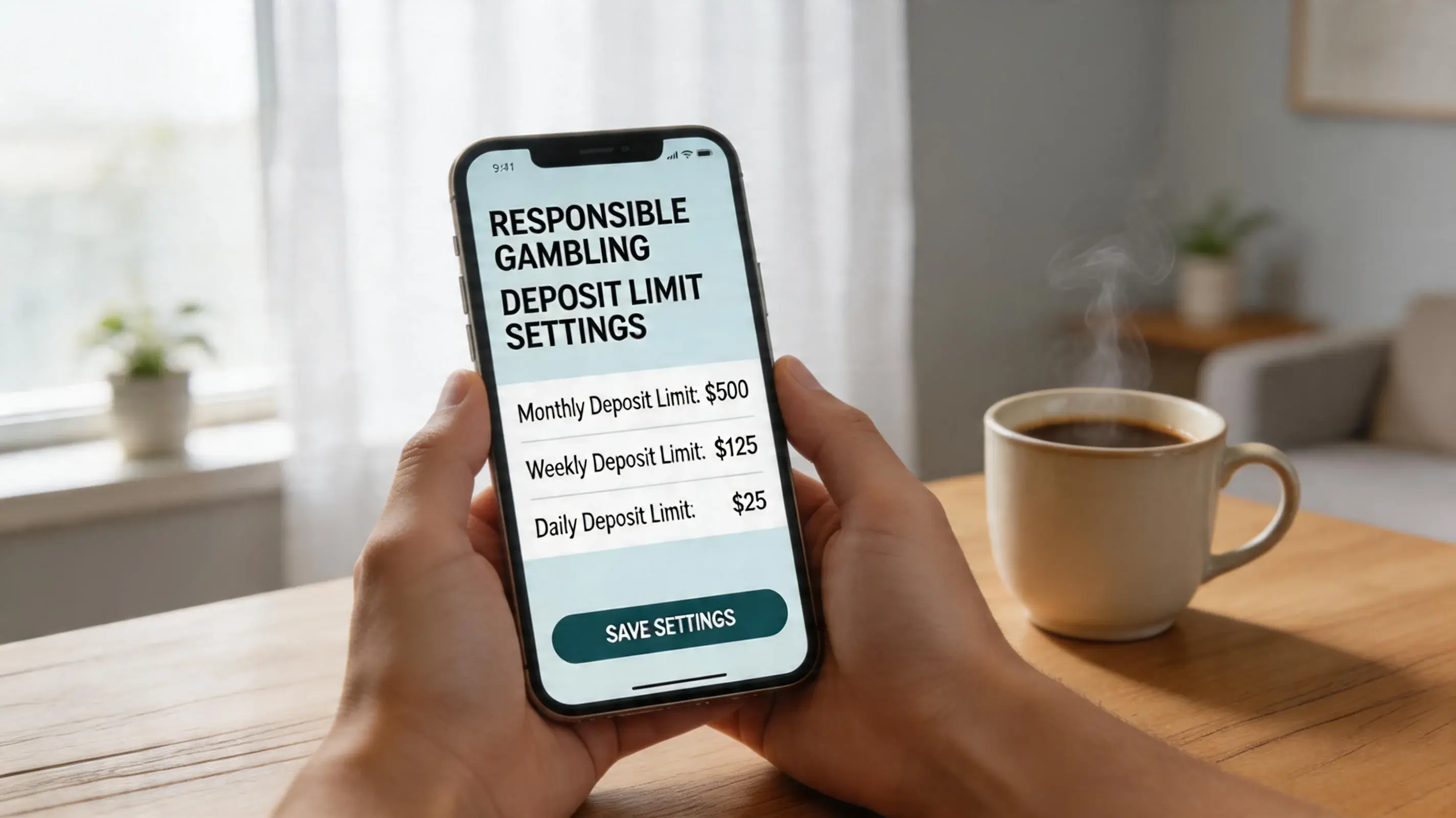
Practical protective measures work when implemented consistently. Set deposit limits before opening sessions, not after losses. Use timeout features to enforce breaks from betting activity. Never chase losses by increasing stake sizes or betting frequency. Treat the bankroll as entertainment spending, not investment capital. And recognise the difference between enjoying a bet and needing a bet — if the latter describes your relationship with gambling, support is available and effective.
Common Questions About UK Live Basketball Betting
What is live basketball betting and how does it work?
Live basketball betting — also called in-play or in-game betting — allows you to place wagers while a match is in progress. Unlike pre-match betting where odds are set before tip-off and locked when the game begins, live betting features odds that update continuously throughout the game. Every basket, foul, substitution, and timeout triggers recalculation by sophisticated algorithms that process data every 200-500 milliseconds. You can bet on full-game outcomes like spreads and totals that adjust based on current score and time remaining, quarter-specific markets, player prop updates reflecting current statistical accumulation, and even next-possession micro-markets at some operators. The key difference from pre-match betting is that you’re wagering with partial information — you’ve seen some of the game and can incorporate that context into your decisions.
Which basketball leagues can I bet on live in the UK?
UK-licensed operators typically offer live betting on the NBA as the primary basketball product, with comprehensive market depth including spreads, totals, moneylines, quarter betting, and player props. EuroLeague coverage is generally available with moderate depth, though player prop variety tends to be more limited than NBA. The BBL (now Super League Basketball) sees increasing live betting coverage, though market availability varies by operator and fixture — not every domestic game will have full in-play markets. Beyond these, you may find coverage of EuroCup, national European leagues like Spain’s ACB or Germany’s BBL, NCAA basketball during March Madness, and occasionally Asian leagues like the CBA. Availability depends on the operator; major UK-licensed bookmakers tend to offer the broadest coverage.
What are the most popular live basketball betting markets?
Full-game spread and totals represent the highest-volume markets, as they’re familiar from pre-match betting and simply update throughout the game. Moneyline betting on the outright winner attracts substantial action, particularly as games tighten. Quarter and half betting markets have grown significantly — bettors target specific periods with different characteristics, particularly fourth quarters where fatigue effects create structural patterns. Player props update in real-time based on current performance, with points, rebounds, assists, and PRA combinations available at most operators. Same-game parlays combining multiple outcomes within a single contest have surged in popularity. Some operators also offer micro-markets — next score, next player to score, next possession outcome — though these require fast execution and suit very specific betting approaches.
How do odds change during a live basketball game?
Odds engines recalculate probabilities continuously using three primary triggers. Score-based adjustments are the most visible — each made basket shifts win probability and moves spread lines accordingly. Time-based adjustments compress variance as games progress; a five-point lead means different things in the first quarter versus the fourth. Event-based adjustments respond to fouls, injuries, ejections, and lineup changes. The actual recalculation happens every 200-500 milliseconds using proprietary algorithms that weight recent performance, possession counts, foul situations, and historical patterns. Markets suspend briefly during certain dead ball situations and resume with updated lines. Understanding that these algorithms process some information very quickly (scoring) but other information more slowly (tactical context, fatigue accumulation, coaching adjustments) helps identify where informed bettors can find value.
Is live basketball betting legal in the UK?
Live basketball betting is fully legal in the UK when conducted through operators holding valid licences from the UK Gambling Commission. The Gambling Commission regulates all remote betting activity, requiring operators to meet licensing conditions covering consumer protection, responsible gambling provisions, anti-money laundering compliance, and fair treatment of customers. Licensed operators must verify age and identity, provide deposit limits and self-exclusion tools, and maintain dispute resolution mechanisms. Before betting, verify your operator’s licence status through the Commission’s public register. Using unlicensed operators — sometimes offering enhanced odds or fewer restrictions — may constitute illegal gambling and provides no regulatory protection. The UK gambling market generated £16.8 billion in gross yield in the most recent reporting period, reflecting its status as a mature, heavily regulated betting jurisdiction.
What is the best time to place a live bet on basketball?
Optimal timing depends on the specific edge you’re trying to exploit. Quarter breaks, particularly halftime, offer windows where lines recalibrate based on first-half performance — if you’ve identified overcorrection in adjustment models, these transitions present opportunity. The fourth quarter, roughly two minutes in after initial rotations settle, suits bettors targeting fatigue effects — pace drops to 90-100 possessions, scoring compresses, and lines set based on earlier game pace often overshoot. Post-timeout moments create brief windows where momentum factors may be mispriced — teams on runs typically lose rhythm during stoppages. If you’re targeting player props, mid-second quarter provides enough performance data to assess trajectory while leaving sufficient game time for outcomes to develop. In general, avoid betting during dramatic moments when odds are moving fastest and emotional decision-making is most likely — the best live betting opportunities often come during structural transitions rather than climactic sequences.
How do player props work in live basketball betting?
Live player props update throughout the game based on current statistical accumulation. If a player has 12 points entering the fourth quarter, their points total line will be adjusted downward from pre-game levels to reflect likely final totals given remaining time. Common categories include points, rebounds, assists, three-pointers made, steals, blocks, and combined metrics like PRA (points plus rebounds plus assists). The key strategic consideration is that live prop lines often adjust linearly when performance varies non-linearly. Minutes projection matters enormously — whether a player will play 32 or 26 remaining minutes depends on score differential, foul trouble, and coaching patterns, and live lines don’t always price this efficiently. Hot-shooting players may get pulled in blowouts; players in foul trouble see reduced minutes. Understanding these contextual factors, rather than simply extrapolating current performance, creates opportunities in live prop markets.
Created by the ”Live Basketball Betting” editorial team.